AI News
Physical AI: Bringing AI into the Real World
Computer scientist Louis Castricato was in his eighth year studying large language models—the artificial intelligence technology behind chat
Computer scientist Louis Castricato was in his eighth year studying large language models—the artificial intelligence technology behind chat
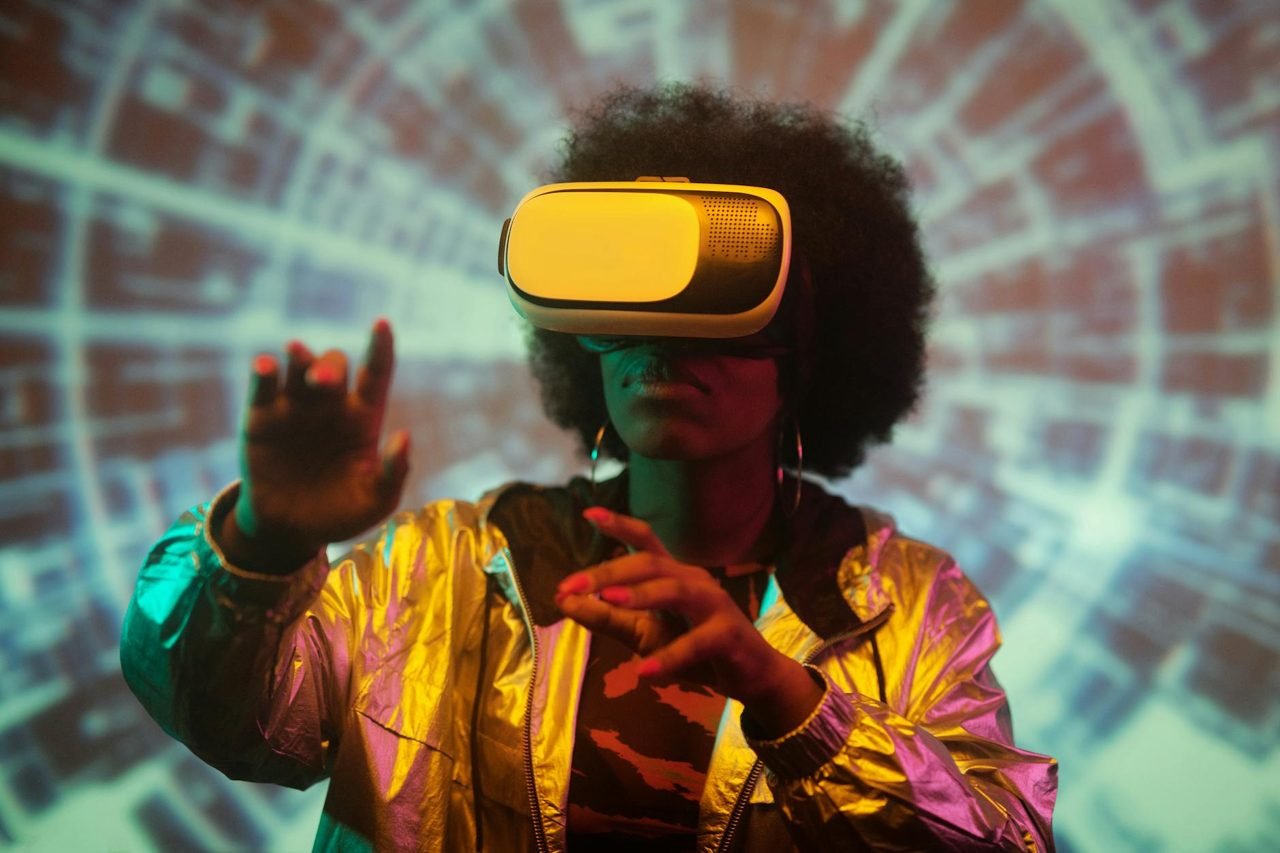
All the world's a robot-staging ground for tech entrepreneurs building "physical AI," highlighting a growing push to move artificial intelligence beyond screens and into tangible reality. This trend addresses a fundamental question: how can AI, which primarily processes digital information, interact meaningfully with the physical world? Researchers like computer scientist Louis Castricato, after years focused on large language models (LLMs)—the AI behind chatbots like ChatGPT—are now shifting their attention to this challenge, seeking new frontiers for AI applications.
Physical AI refers to artificial intelligence systems that can perceive, reason about, and act within the real world, typically through robotic bodies or other physical interfaces. Unlike AI confined to software on a computer, physical AI integrates algorithms with hardware, allowing it to manipulate objects, navigate environments, and perform tasks in our surroundings. Think of it as giving AI a body and senses, enabling it to move from abstract problem-solving to concrete action. This integration is crucial for tasks requiring dexterity, real-time environmental understanding, and direct interaction with objects.
Developments in several fields are driving this emergence of physical AI. Advances in large language models provide more sophisticated reasoning and planning capabilities for AI systems, allowing them to understand complex instructions and make decisions. Simultaneously, improvements in robotics offer more agile and capable hardware, from robotic arms to autonomous vehicles, which can execute these AI-driven plans. Better sensors and more efficient processing at the edge—meaning computation happens closer to the data source rather than in a distant cloud—also enable robots to gather and interpret real-time information about their physical environment more effectively.
For everyday users, physical AI could bring about more capable and adaptable robots in various settings. In homes, imagine robotic assistants that can not only understand verbal commands but also physically tidy up, organize items, or assist with daily chores requiring fine motor skills. Small businesses might see benefits in automation that goes beyond repetitive factory tasks, with robots handling inventory management, customer service interactions requiring physical assistance, or even specialized crafting. These systems promise to free up human workers from mundane or physically demanding tasks, allowing them to focus on more complex or creative work.
Despite the promise, physical AI faces significant trade-offs and open questions. Developing robust physical AI is challenging because the real world is inherently unpredictable and messy, unlike controlled digital environments. Robots often struggle with nuanced human interactions, unexpected obstacles, or variations in objects. The cost of advanced robotic hardware and the complexity of integrating AI software with these systems also present barriers to widespread adoption. Ethical considerations, such as job displacement and the safe interaction between autonomous robots and humans, also require careful consideration as these technologies evolve.
Physical AI represents a significant shift in how we conceive and apply artificial intelligence, moving it from the digital realm into our tangible surroundings. Understanding its potential and limitations is key to navigating a future where intelligent machines increasingly share our physical spaces and assist in practical ways.
Stay updated: Follow AIZyla for daily AI news explained clearly for everyone.
Weekly digest of the best AI news, tools, and guides. No spam.